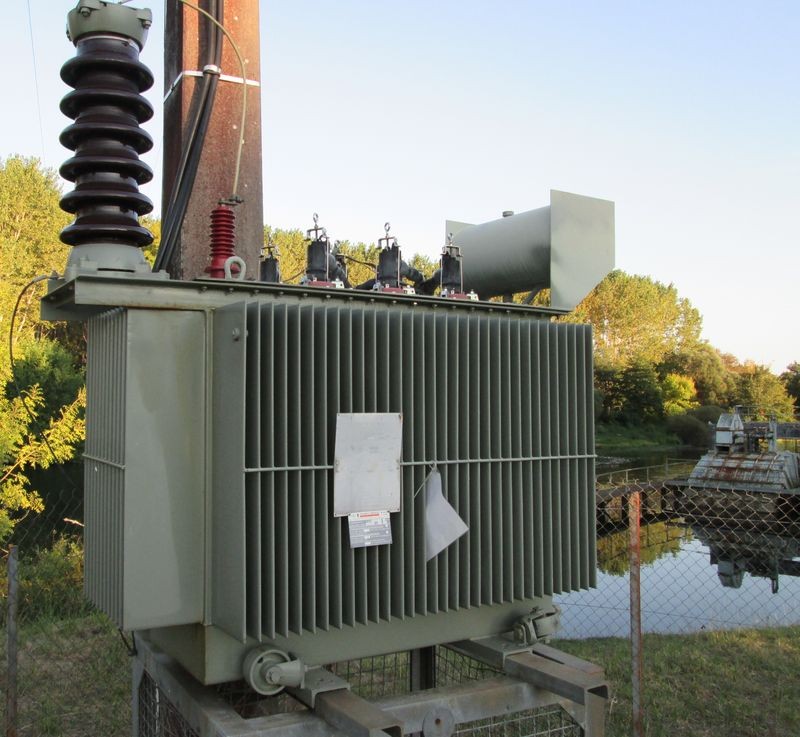
Sell transformers: Oil testing and PCB.
Oil and PCB decisions require accurate records, qualified sampling and interpretation, and a clear distinction between transaction convenience and regulatory responsibility.
A practical way to sell
First identify the transformer, fluid type, service history, manufacture date, prior samples, and any known retrofill or repair. Preserve chain-of-custody information for samples and document where a result applies. A label, memory, or visual appearance alone cannot establish every regulatory fact, so records should be reviewed by qualified environmental and electrical professionals.
Sampling and testing should follow applicable methods, site controls, and laboratory requirements. Explain whether a result is historical, current, representative, or limited in scope, and do not generalize from one compartment to another without support. Buyers need enough context to evaluate handling, transport, reuse, disposal, and further inspection rather than receiving an unexplained pass-or-fail phrase.
A seller may offer a unit with an agreed inspection scope, including no new testing, but that is not advice to bypass rules or omit known information. State what is available, what is unknown, and who controls compliance. Qualified personnel must manage energized work, de-energization, sampling, spill prevention, labeling, packaging, and release documentation.
Related buying resources
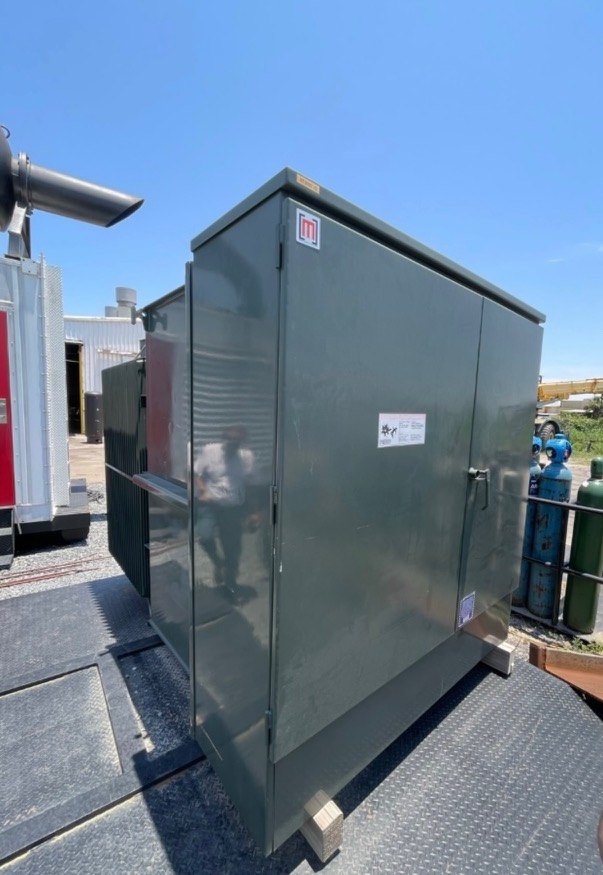
Photo: Cjp24 / CC BY-SA 4.0 · Photo credits
Sell your transformer. Start with the nameplate.
Tell us what you have and where it is. We review the equipment and coordinate the next steps with you.
Call 614-715-3047
Text Nameplate Photos
saleselectricalbuyers@gmail.com
No obligation. Existing documentation helps us assess a unit; qualified personnel must isolate and disconnect equipment.