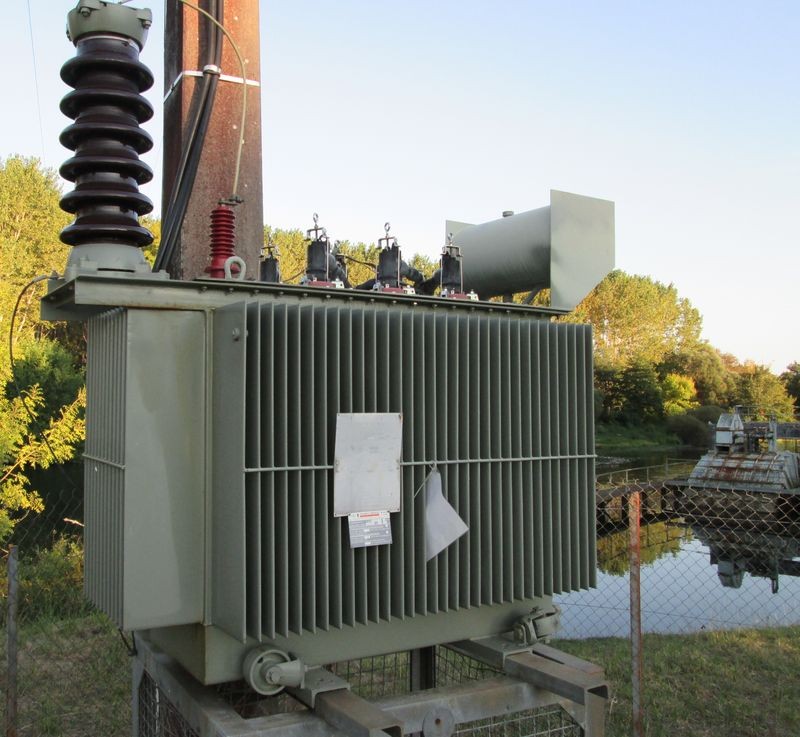
Sell transformers: Inspection and valuation.
A useful transformer valuation starts with verifiable identity and condition evidence rather than a rating copied from an incomplete inventory.
A practical way to sell
Begin by matching the asset tag, manufacturer, serial number, voltage, capacity, phase, frequency, impedance, cooling class, and tap configuration to the nameplate. Photograph the full unit and close views of bushings, radiators, gauges, conservator, cabinet, cable boxes, grounding, and containment. Record storage conditions, visible leaks, corrosion, impact, and missing parts without disturbing equipment.
Valuation should distinguish operating condition, known failure, stored spare, incomplete unit, and salvage candidate. Review maintenance, oil, PCB, fault, repair, and storage records, then note what is verified and what remains unknown. Qualified professionals should interpret electrical or environmental tests. A buyer can price uncertainty, but neither side should turn a missing document into a favorable factual claim.
A transaction-ready report separates observations, records, assumptions, and next actions. Include dimensions, weight, lifting points, access, and likely freight constraints because removal cost affects commercial value. Agree whether inspection is visual, document-based, or test-supported before mobilization, and keep qualified isolation and regulatory compliance outside any casual promise about speed or readiness.
Related buying resources
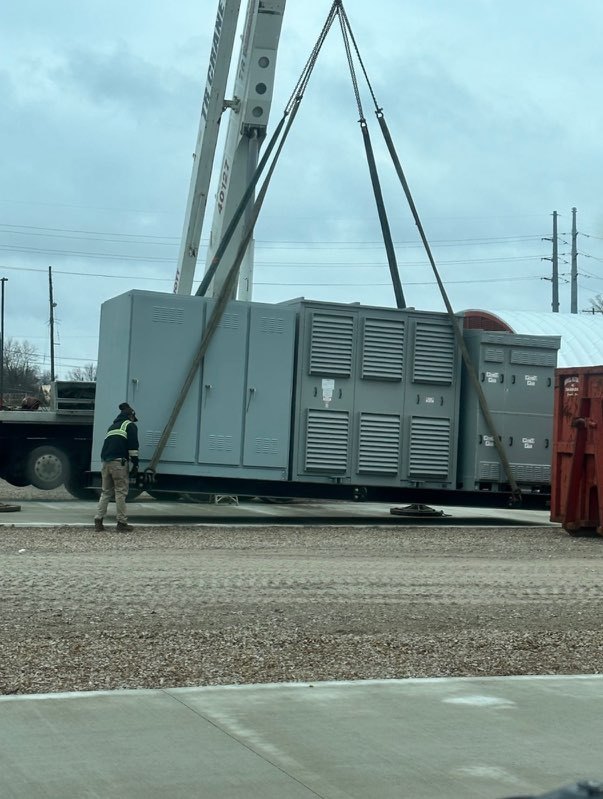
Photo: Cjp24 / CC BY-SA 4.0 · Photo credits
Sell your transformer. Start with the nameplate.
Tell us what you have and where it is. We review the equipment and coordinate the next steps with you.
Call 614-715-3047
Text Nameplate Photos
saleselectricalbuyers@gmail.com
No obligation. Existing documentation helps us assess a unit; qualified personnel must isolate and disconnect equipment.