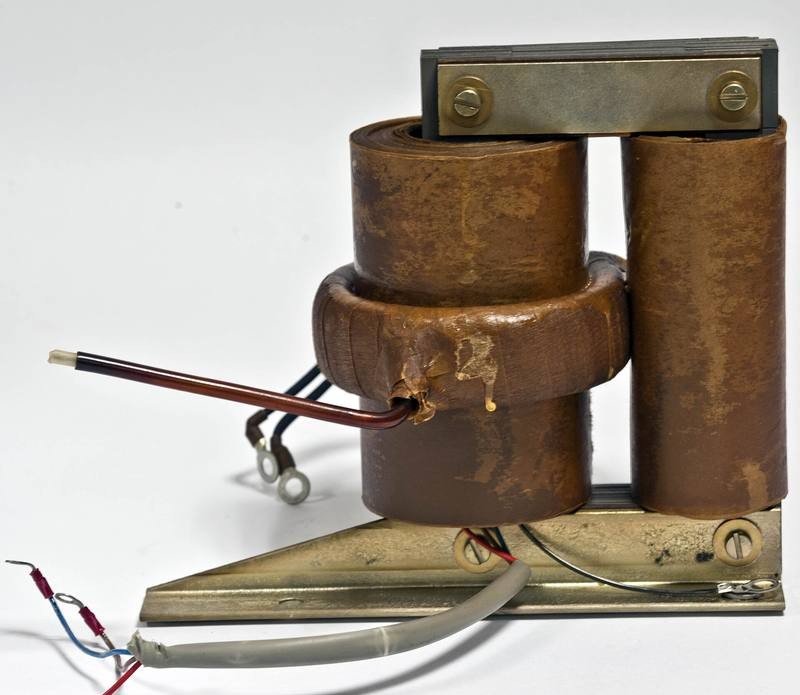
Sell transformers: Failed units.
A failed transformer can still be a buyer opportunity when the failure mode, remaining components, fluid condition, and removal scope are described without overstatement.
A practical way to sell
Preserve evidence before cleaning, draining, or dismantling. Record the event date, operating conditions, alarms, relay indications, fault contribution, inspection findings, and photographs of bushings, tank, radiators, cables, and accessories. Identify whether the unit is failed, damaged in transport, leaking, contaminated, or simply unavailable, because each condition changes the buyer’s evaluation.
Provide available test reports, oil and PCB information, maintenance records, repair history, and manufacturer correspondence. Qualified professionals should determine safe handling and whether further testing is appropriate. Do not promise repairability, reusable parts, or a clean fluid classification without support. A buyer can evaluate salvage or rebuild potential when unknowns are plainly labeled and evidence remains traceable.
Removal follows qualified isolation, grounding, containment, inspection, engineered rigging, loading, and freight. Failed units may have shifted weight, damaged lifting points, or compromised insulation and oil containment, so a standard lift assumption can be unsafe. Define whether the sale includes accessories, fluid, cleanup, transport, or only the identified equipment, and document release responsibilities.
Related buying resources
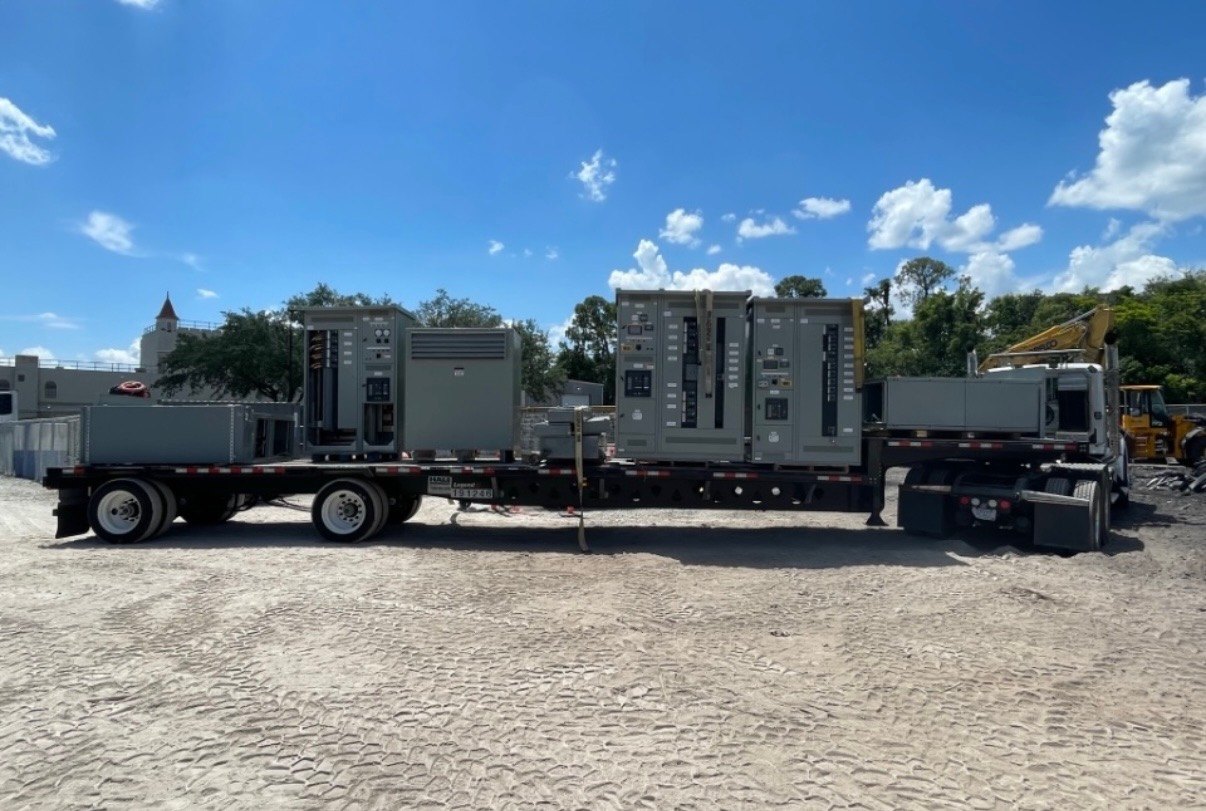
Photo: Hannes Grobe / CC BY-SA 4.0 · Photo credits
Sell your transformer. Start with the nameplate.
Tell us what you have and where it is. We review the equipment and coordinate the next steps with you.
Call 614-715-3047
Text Nameplate Photos
saleselectricalbuyers@gmail.com
No obligation. Existing documentation helps us assess a unit; qualified personnel must isolate and disconnect equipment.