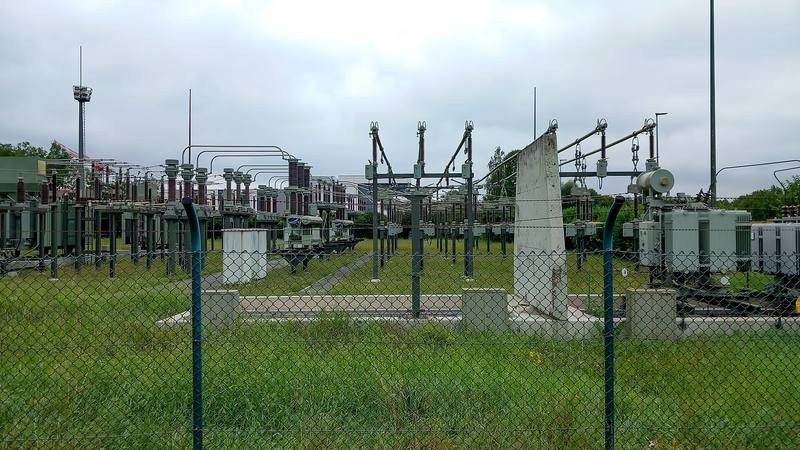
Sell transformers: Decommissioning a substation.
Substation decommissioning should release transformers and switchyard equipment in a documented sequence that protects the grid, workers, buyers, and retained assets.
A practical way to sell
Start with the one-line, protection settings, asset register, permits, and operating authority. Identify incoming lines, bus sections, transformer banks, station service, batteries, controls, grounding, communications, and shared feeders. Mark equipment for reuse, sale, scrap, or retention, and confirm whether adjacent bays or remote endpoints still depend on the site.
The condition package should include nameplates, photographs, service and fault history, oil and PCB records, accessory lists, dimensions, weights, and containment notes. Qualified electrical and environmental professionals should control testing, sampling, switching, grounding, and regulatory interpretation. Do not describe a substation as de-energized or compliant until the responsible authority has documented that status.
Sequence system transfer, authorized outage, isolation, verification, grounding, inspection, disconnection, removal, and site restoration. Remove retained controls or fencing only after the operating authority approves it. Coordinate crane access, overhead clearances, haul routes, and spill response. Staging transformers separately from steel, cable, and batteries keeps buyer lots identifiable and reduces avoidable handling.
Related buying resources
Photo: Mosbatho / CC BY 4.0 · Photo credits
Sell your transformer. Start with the nameplate.
Tell us what you have and where it is. We review the equipment and coordinate the next steps with you.
Call 614-715-3047
Text Nameplate Photos
saleselectricalbuyers@gmail.com
No obligation. Existing documentation helps us assess a unit; qualified personnel must isolate and disconnect equipment.